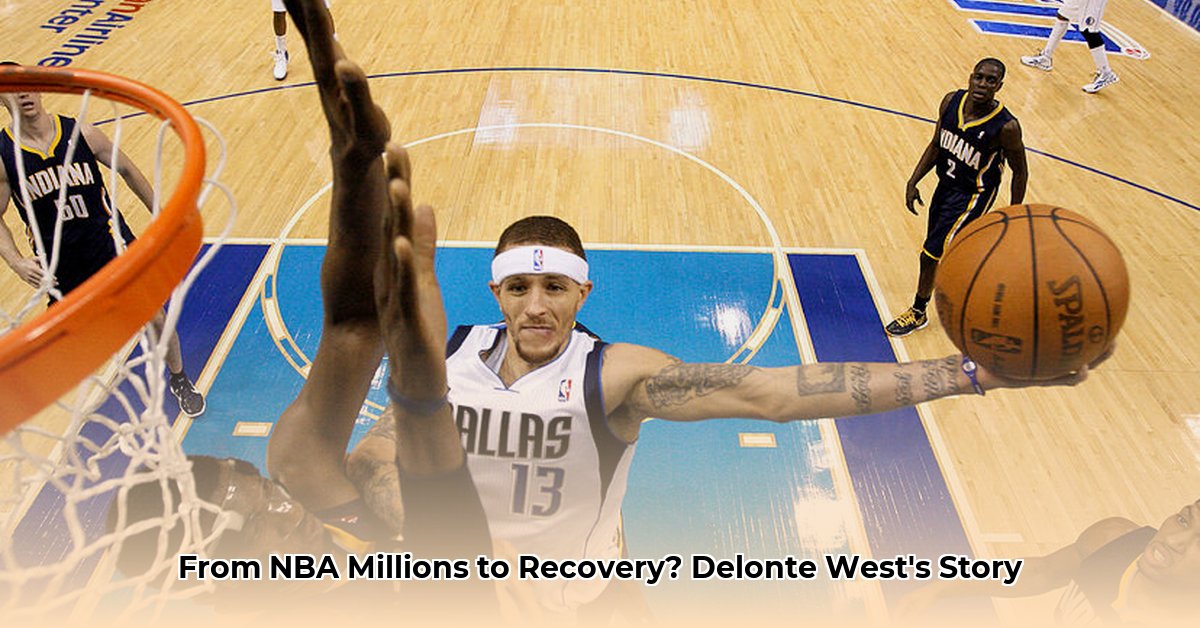
Delonte West’s life story is a compelling narrative of triumph and tragedy, a stark reminder that financial success in professional sports doesn’t guarantee long-term security. His journey, from earning millions in the NBA to facing homelessness and financial ruin, offers a potent case study in the pitfalls of unchecked spending, the devastating impact of untreated mental illness, and the critical need for proactive financial planning. This isn’t just a story about money; it's about resilience, vulnerability, and the importance of comprehensive support systems for athletes navigating the complexities of fame and fortune.
From NBA Riches to Financial Ruin: A Career in Review
Delonte West's NBA career, while relatively brief, generated substantial wealth. His contracts totaled over $14 million, a sum that promised a life of luxury and comfort. He experienced the intoxicating allure of success – the fast cars, the lavish homes, the freedom afforded by immense financial resources. Yet, this seemingly unshakeable foundation began to crumble under the weight of poor financial decisions and unforeseen personal challenges. His story raises a critical question: How could someone with such significant earnings find themselves facing such devastating hardship? The answer, as we'll see, is multifaceted, involving a complex interplay of financial mismanagement, legal issues, and the profound impact of untreated mental illness.
The Crumbling Foundation: Financial Illiteracy and Mental Health
West's downfall wasn't solely attributable to extravagant spending; it stemmed from a lack of financial literacy and the overwhelming impact of untreated bipolar disorder. The absence of a robust financial plan, coupled with impulsive spending habits exacerbated by his mental health condition, led to a rapid depletion of his substantial earnings. This highlights a crucial point: financial stability isn't just about earning money; it requires careful planning, budgeting, and a proactive approach to investing. How many athletes, similarly blessed with early financial success, lack the necessary guidance and support to navigate the complexities of wealth management? The answer, unfortunately, is far too many. The question becomes, how can we better equip athletes with the skills and resources to manage their finances effectively?
The Weight of the Spotlight: Public Scrutiny and Support
West's struggles played out in the harsh glare of public scrutiny, a double-edged sword that attracted both support and further hardship. While some offered assistance, the constant media attention amplified his struggles, adding another layer of stress and complexity to his already precarious situation. This brings us to consider the role of the public in the well-being of high-profile athletes. Does the media's focus on their struggles offer constructive support or exacerbate their difficulties? The answer necessitates a careful consideration of the ethical responsibility of reporting on the personal challenges faced by athletes.
The Path to Recovery: A Glimpse of Hope
Recent reports suggest West is receiving the support he needs, working towards rebuilding his life and regaining a semblance of stability. This offers a crucial perspective: even after a devastating fall, recovery is possible. His story, however painful, serves as a powerful reminder of the importance of perseverance, and the crucial role of support networks in navigating periods of intense personal and financial hardship.
Preventing Future Financial Ruin: A Framework for Change
Delonte West's story provides a crucial roadmap for preventing similar tragedies in the future. This requires a multi-pronged approach that focuses on education, support, and proactive intervention.
Mandatory Financial Literacy Programs: Comprehensive financial education should be a mandatory component of all professional sports training. Athletes need to understand budgeting, investing, and risk management far beyond the basics.
Prioritizing Mental Health: Early intervention and readily accessible mental health resources are paramount. Athletes must feel comfortable seeking professional help without fear of stigmatization. Regular check-ups and ongoing mental health support should be normalized.
Robust Support Networks: Athletes need a strong support network consisting of mentors, financial advisors, and mental health professionals who can provide guidance throughout their careers and beyond.
Proactive Retirement Planning: Comprehensive post-retirement planning should begin early in an athlete's career, ensuring financial security well after their playing days are over. This includes career counseling, skill development, and job placement assistance.
The lessons learned from Delonte West's experience are invaluable. They highlight the critical need for comprehensive support systems and emphasize the profound impact of financial literacy and mental well-being on an athlete's long-term success and overall quality of life. His story is not just a cautionary tale; it's a call to action for a more proactive and supportive approach to the lives of high-earning athletes.